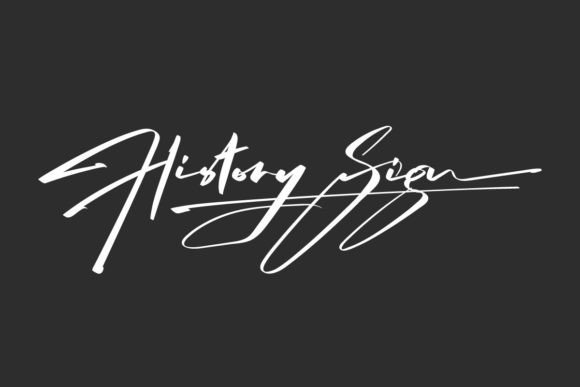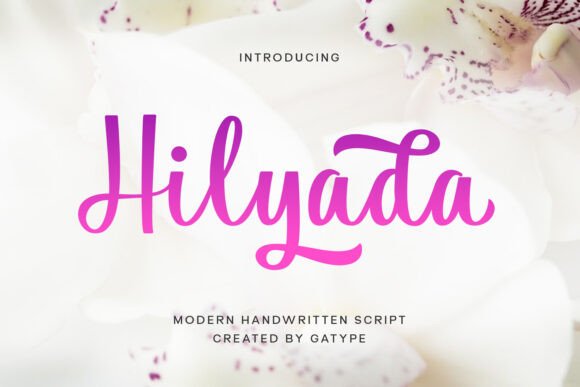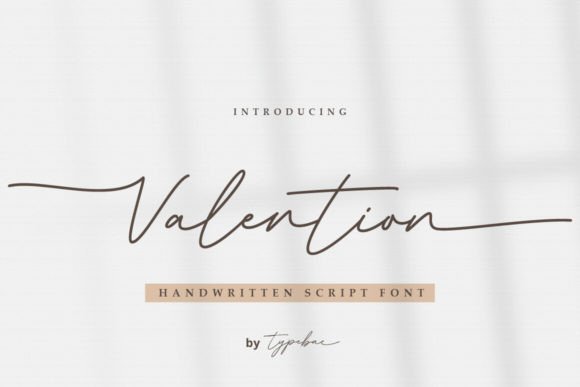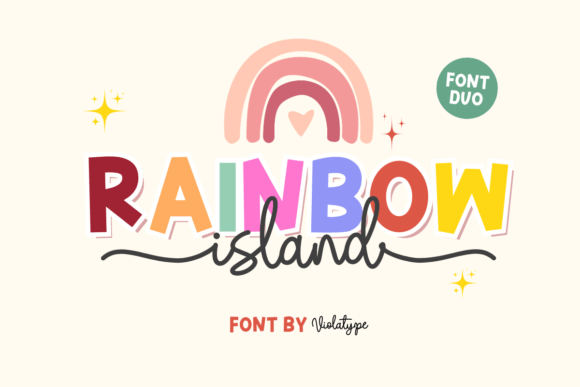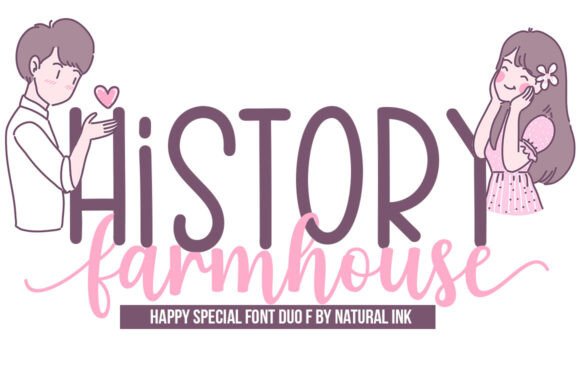
Farmhouse History Font
There’s something about the way Farmhouse History flows across a candle label that feels like a warm hug from a familiar friend. I was working on a new line of handmade soy candles when I first discovered this Script Handwritten font, and it instantly became my go-to for anything with a rustic, cozy vibe.
Farmhouse History for Candle Labels and Boutique Packaging
Farmhouse History brings a soft, elegant touch to candle labels that feels both modern and timeless. I love how the swashes add a little extra flair without overwhelming the design. Whether I’m labeling a lavender-scented jar or a citrus-infused candle, the font pairs beautifully with minimalist layouts and natural color palettes.
When I use Farmhouse History for packaging, I always make sure to test it at different sizes. On small stickers or product tags, the details still hold up, and the script remains legible. It’s perfect for adding a personal touch to boutique items that feel handcrafted and intentional.
Farmhouse History for Greeting Cards and Seasonal Designs
Creating holiday cards has always been one of my favorite creative projects, and Farmhouse History adds just the right amount of charm. I’ve used it for Christmas invitations, birthday cards, and even thank-you notes. The font’s relaxed elegance makes it feel like a handwritten message, even when it’s printed on paper or digital templates.
For seasonal designs, I often pair Farmhouse History with a clean sans serif font to balance the script. This combination works especially well for printable wall art or signs that need to be both decorative and readable from a distance.
Farmhouse History for Wedding Invitations and Stationery
I remember the first time I used Farmhouse History for a wedding invitation. The couple wanted something that felt personal but not too formal, and the font delivered exactly that. The swashes give it a romantic, flowing look that’s perfect for vows, ceremony details, or guest information.
It also works well for other stationery pieces, like save-the-date cards, reception menus, and thank-you notes. I’ve found that using it in smaller sizes keeps the design from feeling too busy, while larger text makes a strong visual statement for headings and titles.
Farmhouse History for Digital Printables and Shop Branding
As a printable creator, I rely on fonts that are versatile and easy to work with. Farmhouse History is one of those fonts that fits seamlessly into a wide range of projects. I’ve used it for planner pages, DIY templates, and printable wall art, and it always looks polished and professional.
When designing shop branding, I like to incorporate Farmhouse History into logos, social media graphics, and listing images. It helps create a cohesive look that feels authentic and inviting. I always check the font’s file formats and licensing before using it for commercial purposes, just to be safe.
Farmhouse History for Tote Bags, Mugs, and Apparel
Adding Farmhouse History to apparel or merchandise can elevate a simple design into something special. I’ve used it on tote bags for a farmhouse-themed collection, and the font’s curves and swashes gave the prints a unique, handcrafted feel. It also works well on mugs, where the script stands out against solid backgrounds.
For clothing or fabric items, I recommend testing the font at different sizes and ensuring it’s clear when printed. Farmhouse History holds up well on small patches or embroidered tags, making it a great choice for personalized gifts and custom products.
Farmhouse History for Signs and Shop Displays
Whether I’m creating a sign for a pop-up shop or a welcome board for a seasonal event, Farmhouse History adds a warm, inviting presence. I’ve used it for farmhouse signs, chalkboard messages, and even window displays. The font’s personality makes it ideal for spaces that want to feel welcoming and homey.
On larger signs or banners, I often pair Farmhouse History with a bold display font to create contrast. This combination gives the design more visual interest while keeping the overall look cohesive and professional.
Farmhouse History for Product Tags and Labeling
When I’m labeling products or creating tags for my shop, I look for a font that feels authentic and easy to read. Farmhouse History strikes the perfect balance between style and clarity. I’ve used it for product tags, pricing labels, and even shipping instructions, and it always looks clean and professional.
One thing I’ve learned is to pay attention to the font’s alternates and ligatures. They can make a big difference in how the text appears, especially when used for names or short phrases. I also make sure to check the font’s multilingual support if I’m designing for an international audience.